Tradescandia sillamontana
03/09/2025
Cykas palm
05/09/2025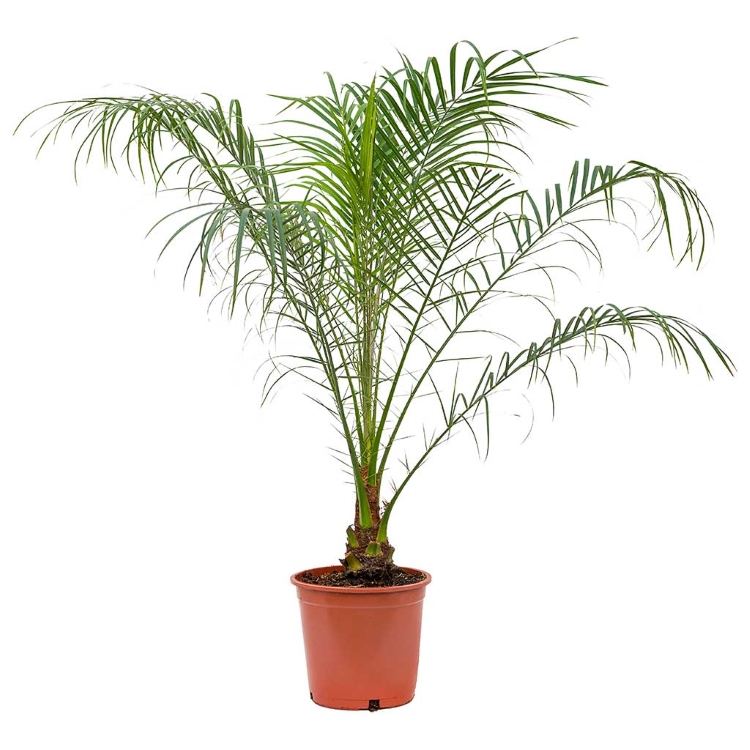
Roebelenii palm
The Robellini Palm (Phoenix roebelenii) is a graceful tropical palm with elegant arching fronds, bringing a touch of luxury to any space. Perfect for landscape design, it enhances gardens, entrances, and patios with exotic charm and low maintenance. In feng shui, it symbolizes balance and prosperity, creating harmony in your surroundings.
€25.00
Out of stock
Care Instructions
- Watering: Palms are drought-tolerant once established but benefit from regular watering during the growing season. Water deeply but infrequently, allowing the soil to dry out between waterings. Overwatering can cause root rot, so ensure the soil is well-draining. Reduce watering during the winter months when growth slows.
- Soil: Palms prefer well-draining, sandy or loamy soil. They can tolerate poor soil conditions but thrive best in nutrient-rich, slightly acidic to neutral pH soil. If the soil becomes compacted, you can amend it with sand or organic matter to improve drainage and aeration.
- Sunlight: Palms require full sun to grow properly. Ensure your palm is planted in a location where it receives at least 6 to 8 hours of direct sunlight daily. Insufficient sunlight can lead to weak growth and fewer fruit yields.
- Pruning: Only remove dead or damaged fronds to keep your Palm looking tidy. Avoid pruning healthy fronds, as they provide essential nutrients to the tree. Prune in late spring or early summer for the best results.
- Pest and Disease Control: Palms can be prone to pests such as spider mites, scale, and palm aphids. Regularly inspect the fronds for signs of infestations. If pests are present, treat with insecticidal soap or neem oil. To avoid fungal diseases, ensure the palm has good air circulation and avoid overwatering.
- Cold Tolerance: While Palms are heat-loving, they can tolerate brief periods of cold temperatures down to around -6°C (20°F). In areas with harsh winters, protect the palm with frost blankets or bring potted palms indoors.
| Weight | 3 kg |
|---|---|
| Pot size | |
| Plant Height | |
| Light | |
| Enviroment |
Related products
-
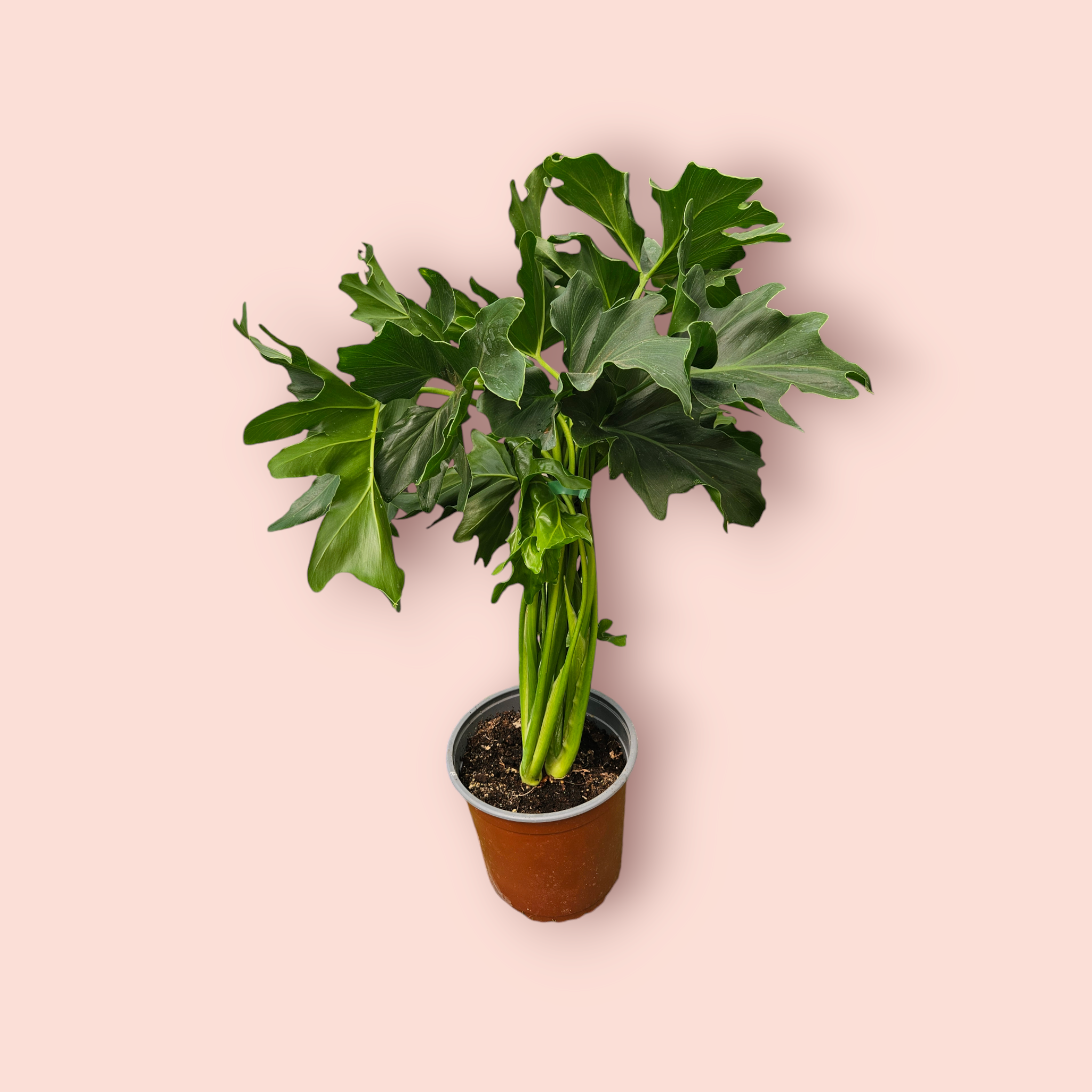
Philodendron Selloum
€10.00 -
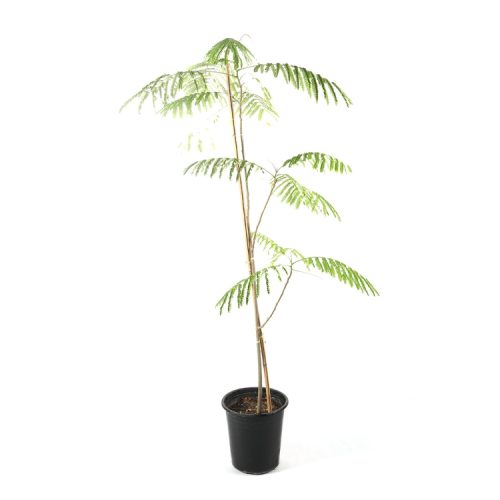
Flamboyant
€18.00 -
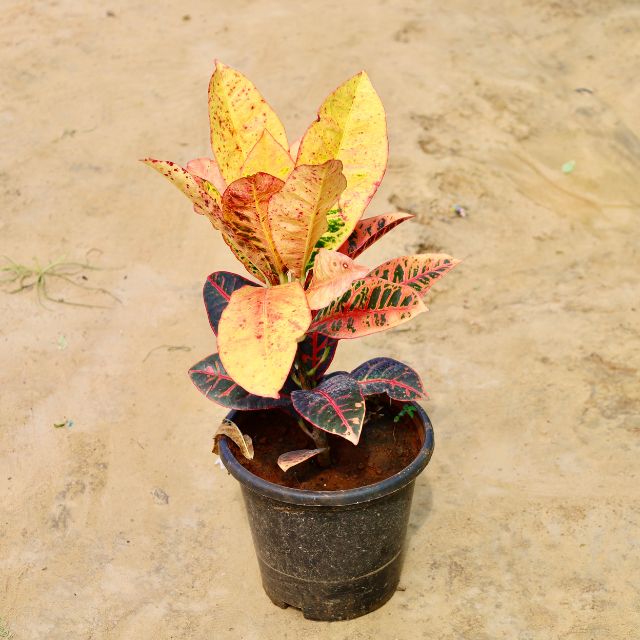
Croton Norma
Original price was: €15.00.€7.50Current price is: €7.50. -
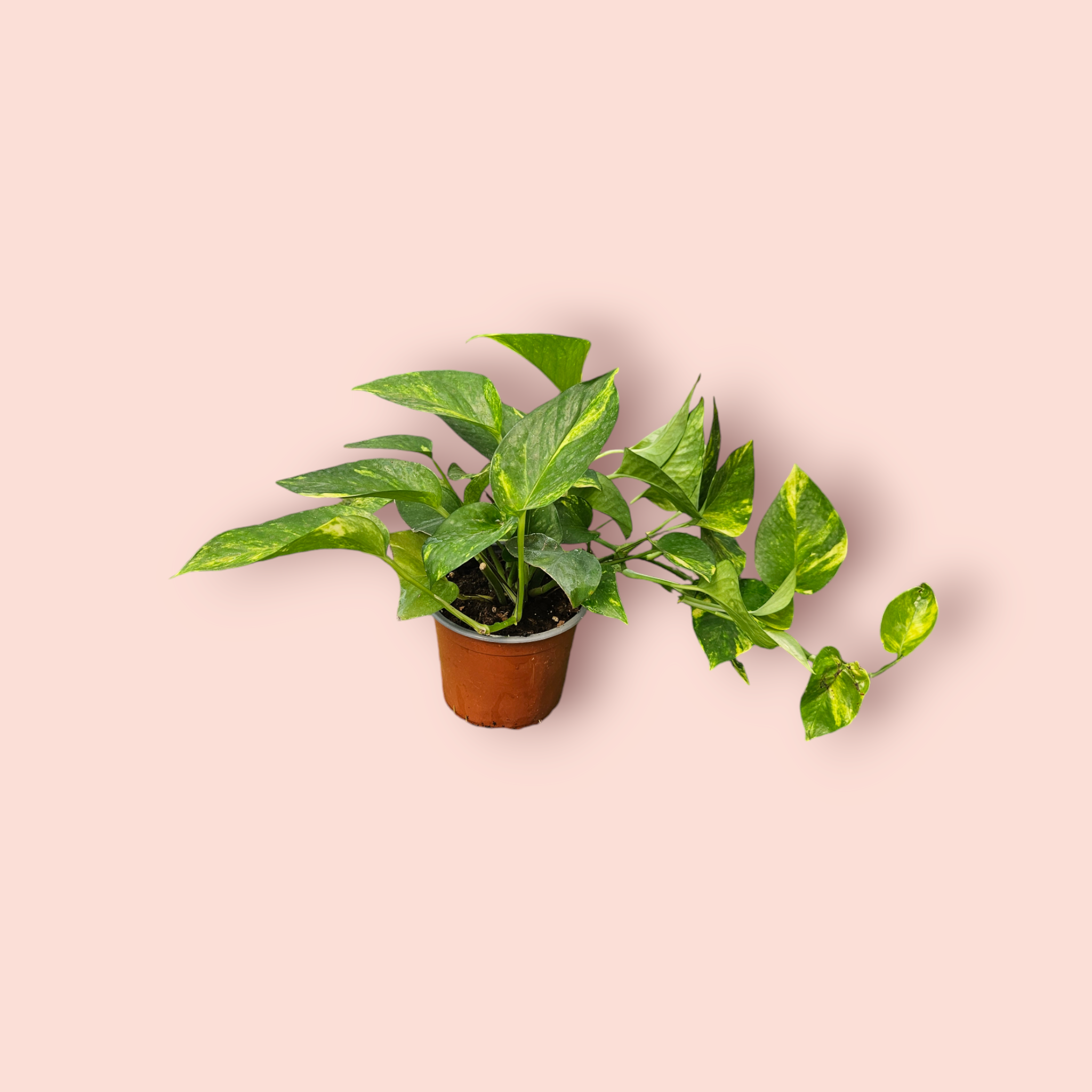
Golden pothos
€6.00